Phone:
073 974 8317
Physical address:
12 A BUSSING RD AUREUS EXT 1
RANDFONTEIN, GAUTENG

Phone:
073 974 8317
Physical address:
12 A BUSSING RD AUREUS EXT 1
RANDFONTEIN, GAUTENG
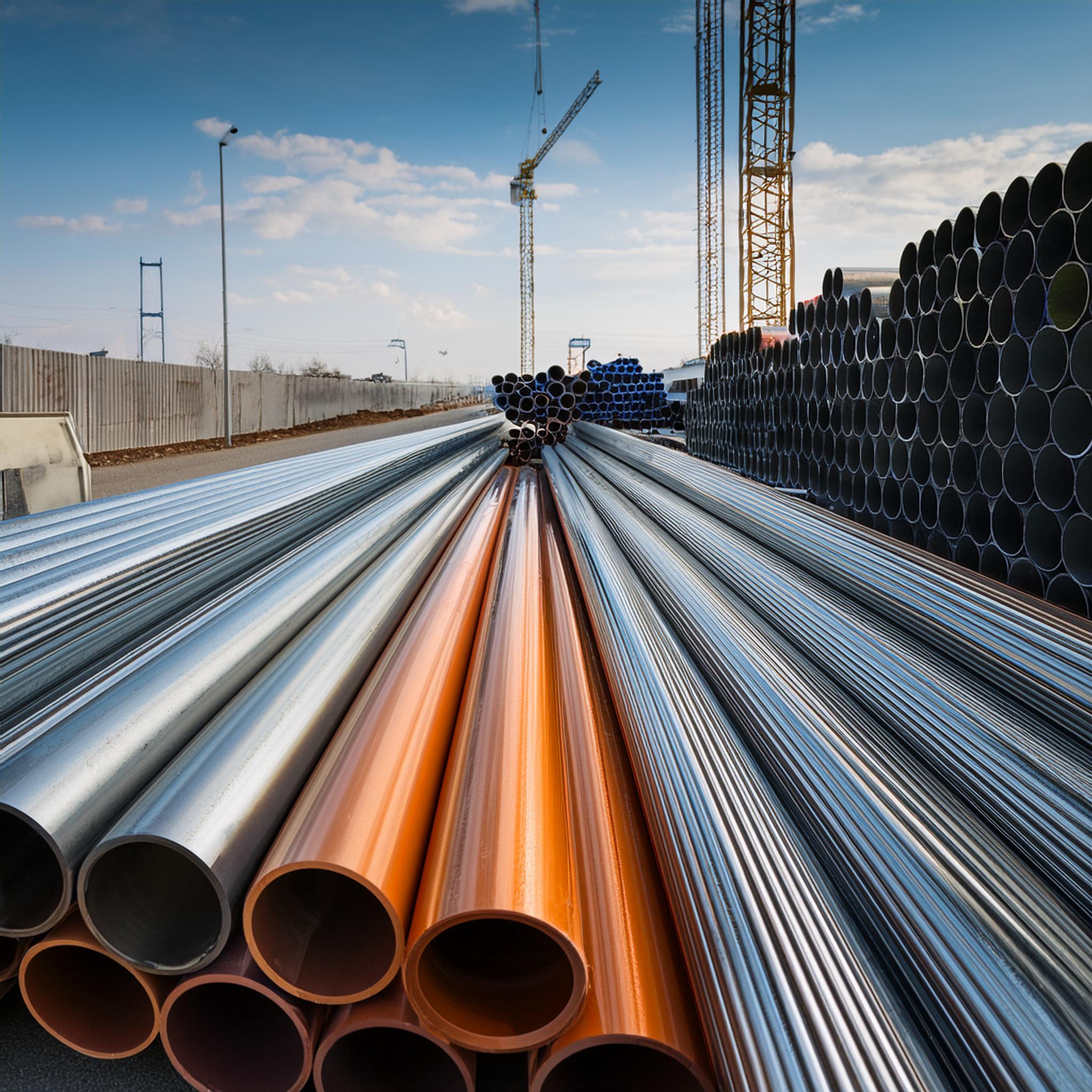
Steel pipes are integral components in a variety of industries, from construction and manufacturing to oil and gas. Understanding the different types of steel pipes, their properties, and their applications can help ensure the selection of the right pipe for your specific needs. This comprehensive guide explores the various types of steel pipes, highlighting their unique characteristics and common uses.
Carbon steel pipes are made from an alloy of iron and carbon. They are known for their strength, durability, and ability to withstand high pressures and temperatures. These pipes are used in a wide range of applications, including:
Carbon steel pipes are further classified into several types based on their carbon content:
Stainless steel pipes are made from an alloy containing iron, chromium, and other elements, which provide excellent corrosion resistance. These pipes are ideal for applications where exposure to moisture and corrosive substances is a concern. Common uses include:
Stainless steel pipes are categorized based on their composition and crystal structure:
Alloy steel pipes are made from steel combined with various alloying elements, such as manganese, silicon, nickel, and vanadium, to enhance specific properties. These pipes are known for their strength, toughness, and resistance to wear and corrosion. Applications include:
Alloy steel pipes are tailored to specific needs by adjusting the alloying elements, making them highly versatile for various industrial applications.
Galvanized steel pipes are coated with a layer of zinc to protect them from corrosion. This makes them suitable for outdoor and industrial applications where rust resistance is crucial. Common uses include:
While galvanized steel pipes offer good corrosion resistance, they are not suitable for high-temperature applications, as the zinc coating can degrade at elevated temperatures.
Seamless steel pipes are manufactured without a welded seam, providing uniform strength and structure throughout the pipe. These pipes are ideal for high-pressure applications where the integrity of the pipe is critical. Typical uses include:
Seamless steel pipes are known for their high strength, uniformity, and ability to withstand extreme conditions.
Welded steel pipes are manufactured by welding steel plates or coils together, creating a seam along the length of the pipe. They are generally more cost-effective than seamless pipes and are used in various applications, including:
Welded steel pipes can be further classified into two types:
Selecting the appropriate steel pipe for your project involves considering several factors:
Understanding the different types of steel pipes and their properties is essential for selecting the right pipe for your specific needs. Each type of steel pipe offers unique advantages, making them suitable for various applications across industries. At Batlokoa Innovative Projects, we provide a wide range of high-quality steel pipes to meet your project requirements