Phone:
073 974 8317
Physical address:
12 A BUSSING RD AUREUS EXT 1
RANDFONTEIN, GAUTENG

Phone:
073 974 8317
Physical address:
12 A BUSSING RD AUREUS EXT 1
RANDFONTEIN, GAUTENG
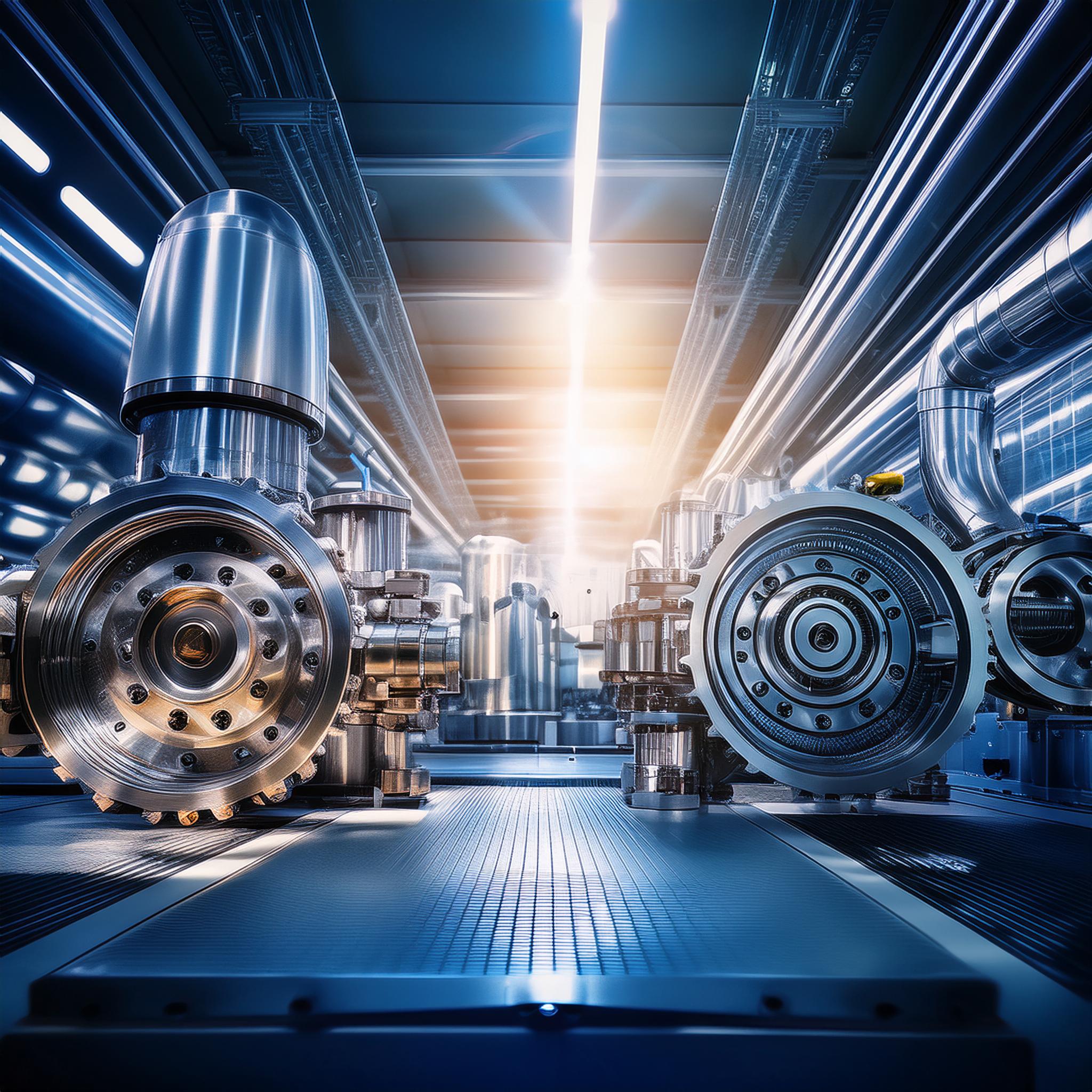
The engineering sector is evolving at a rapid pace, driven by advancements in technology, shifting market demands, and a growing emphasis on sustainability. Staying ahead of these trends is crucial for businesses looking to maintain a competitive edge. Here, we explore some of the latest trends in engineering solutions that are shaping the future of the industry.
Automation and robotics have become integral to modern engineering solutions. From manufacturing to construction, these technologies are enhancing efficiency, precision, and safety. Robots are now capable of performing complex tasks that were once considered impossible, reducing human error and increasing productivity. Companies are investing in automated systems to streamline their operations, cut costs, and improve quality.
Artificial Intelligence (AI) and Machine Learning (ML) are revolutionizing engineering solutions by enabling predictive maintenance, optimizing design processes, and enhancing decision-making. AI algorithms can analyze vast amounts of data to identify patterns and predict potential failures before they occur. This proactive approach not only minimizes downtime but also extends the lifespan of equipment and machinery.
Sustainability is no longer a buzzword; it is a necessity. Engineers are increasingly adopting sustainable practices to reduce environmental impact and promote resource efficiency. This includes the use of eco-friendly materials, energy-efficient systems, and waste reduction techniques. Green engineering solutions are being integrated into various industries, from construction to manufacturing, to create a more sustainable future.
3D printing and additive manufacturing are transforming the way products are designed and produced. These technologies allow for the creation of complex geometries and customized components that were previously unattainable with traditional manufacturing methods. Engineers can now rapidly prototype and iterate designs, significantly reducing the time and cost associated with product development.
The Internet of Things (IoT) is connecting devices and systems like never before, enabling real-time monitoring and data exchange. In engineering, IoT solutions are being used to enhance asset management, improve maintenance processes, and optimize operations. Smart sensors and connected devices provide valuable insights that help engineers make informed decisions and improve overall efficiency.
Augmented Reality (AR) and Virtual Reality (VR) are providing new ways to visualize and interact with engineering designs. AR can overlay digital information onto the physical world, aiding in maintenance and troubleshooting. VR, on the other hand, allows engineers to immerse themselves in a virtual environment to test and refine designs before physical prototypes are created. These technologies are improving collaboration and reducing the risk of errors.
The development of advanced materials is opening up new possibilities in engineering solutions. Materials such as graphene, carbon nanotubes, and smart materials are offering superior properties like increased strength, conductivity, and adaptability. These materials are being used to create lighter, stronger, and more efficient products, pushing the boundaries of what is possible in engineering.
Digital twin technology involves creating a virtual replica of a physical asset, system, or process. This digital model can be used to simulate, analyze, and optimize performance in real-time. Engineers can test various scenarios and make data-driven decisions to improve efficiency and reduce costs. Digital twins are being employed across industries, from manufacturing to urban planning, to enhance performance and sustainability.
Blockchain technology is making its way into engineering, offering secure and transparent solutions for data management and supply chain tracking. Blockchain can ensure the integrity of data, streamline processes, and enhance collaboration among stakeholders. It is particularly useful in complex engineering projects that involve multiple parties and require a high level of trust and accountability.
In an era of increasing uncertainty, resilience engineering is gaining importance. This approach focuses on designing systems and processes that can adapt to and recover from unexpected disruptions. Engineers are developing resilient solutions that can withstand extreme conditions, from natural disasters to cyberattacks, ensuring continuity and reliability.
The latest trends in engineering solutions are paving the way for a more efficient, sustainable, and innovative future. By embracing these advancements, businesses can not only enhance their operations but also contribute to the broader goal of sustainable development. At Batlokoa Innovative Projects, we are committed to staying at the forefront of these trends, delivering cutting-edge solutions that meet the evolving needs of our clients.